The best V12 supercars combine extraordinary engines with design, engineering, and character that make them unforgettable. Judged on historical importance, driving appeal, and sheer ambition, these ten belong near the top of any all-time list.
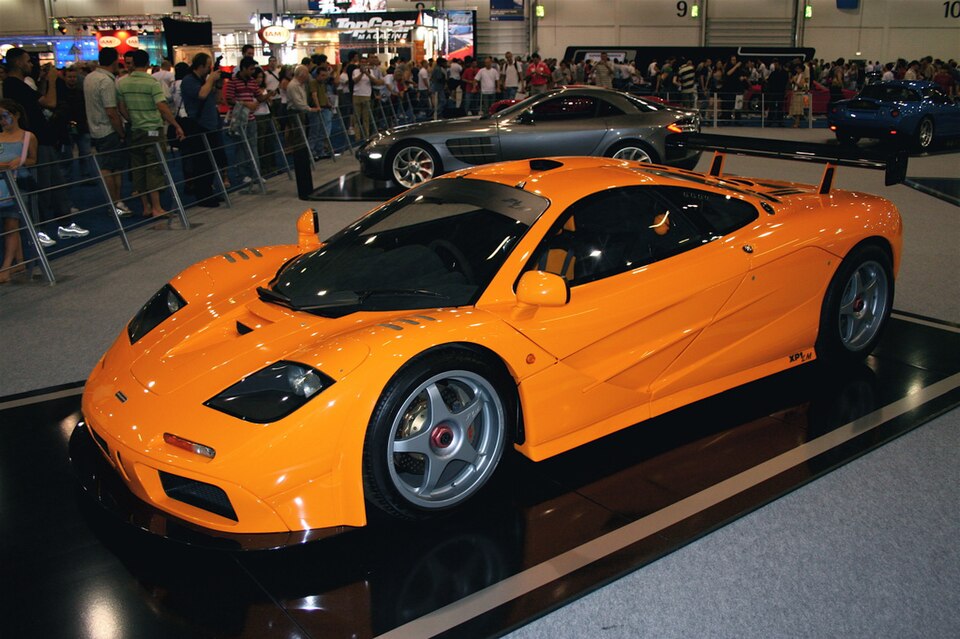
1. McLaren F1
Engine: 6.1-liter naturally aspirated V12
The McLaren F1 remains a benchmark for what a supercar can be when every engineering decision serves the driver. Its BMW-developed V12, central driving position, lightweight carbon-fiber construction, and six-speed manual gearbox created an experience that still feels remarkably pure. Its competition derivative also won the 24 Hours of Le Mans outright in 1995.
Why it belongs: Few cars have combined road-car usability, record-setting performance, and motorsport credibility so convincingly.
2. Lamborghini Miura
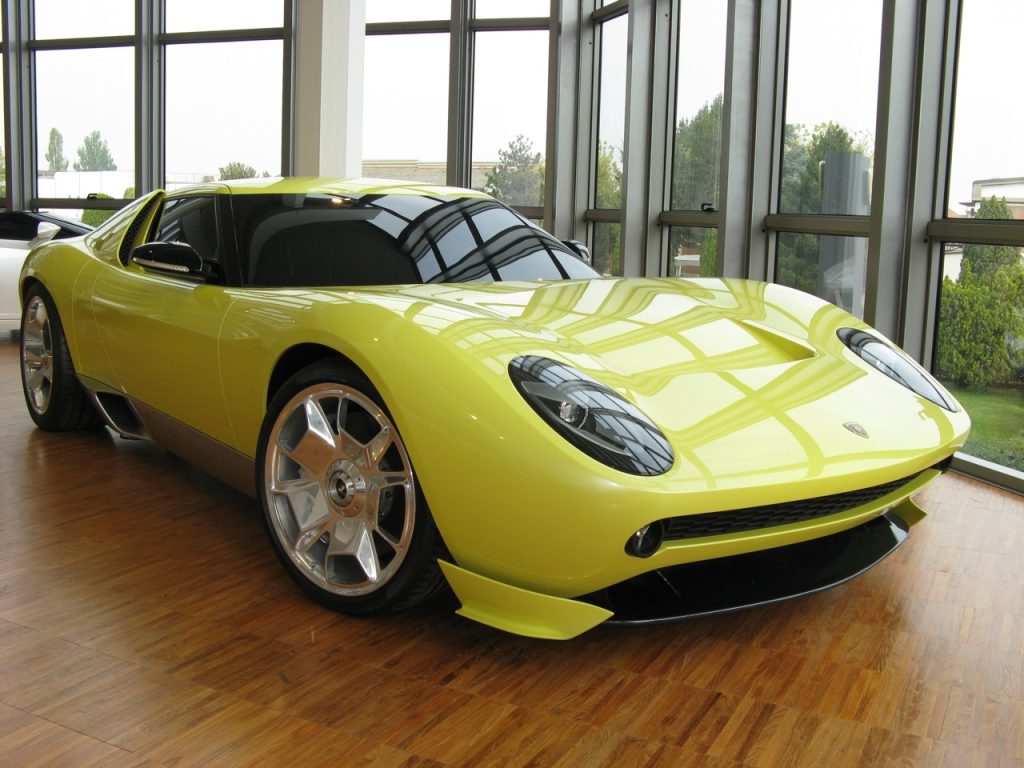
Engine: 3.9-liter naturally aspirated V12
The Miura helped establish the template for the modern supercar: a dramatic body wrapped around a powerful engine mounted behind the occupants. Introduced in 1966, it paired a transversely mounted V12 with one of the most celebrated shapes in automotive history. The later P400 SV refined the formula further.
Why it belongs: Its influence on supercar design is matched by its beauty.
3. Ferrari F50
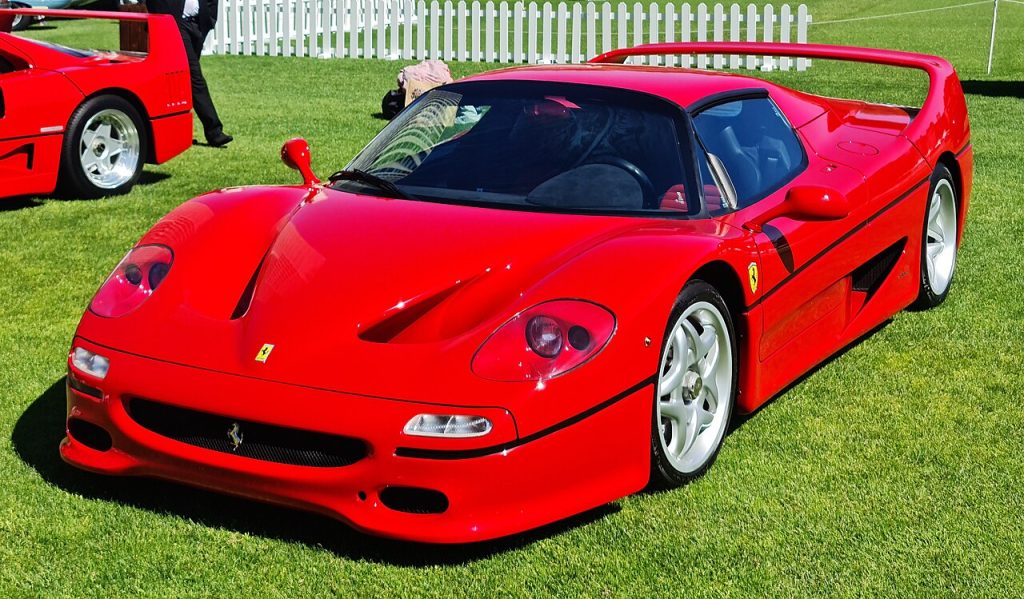
Engine: 4.7-liter naturally aspirated V12
The F50 brought unusually direct Formula One influence to a road-going Ferrari. Its engine had roots in Ferrari’s contemporary F1 program and served as a stressed structural member, while its manual gearbox and removable roof made the experience especially immersive.
Why it belongs: It delivers a rare combination of racing-derived engineering, open-air drama, and mechanical involvement.
4. Lamborghini Countach
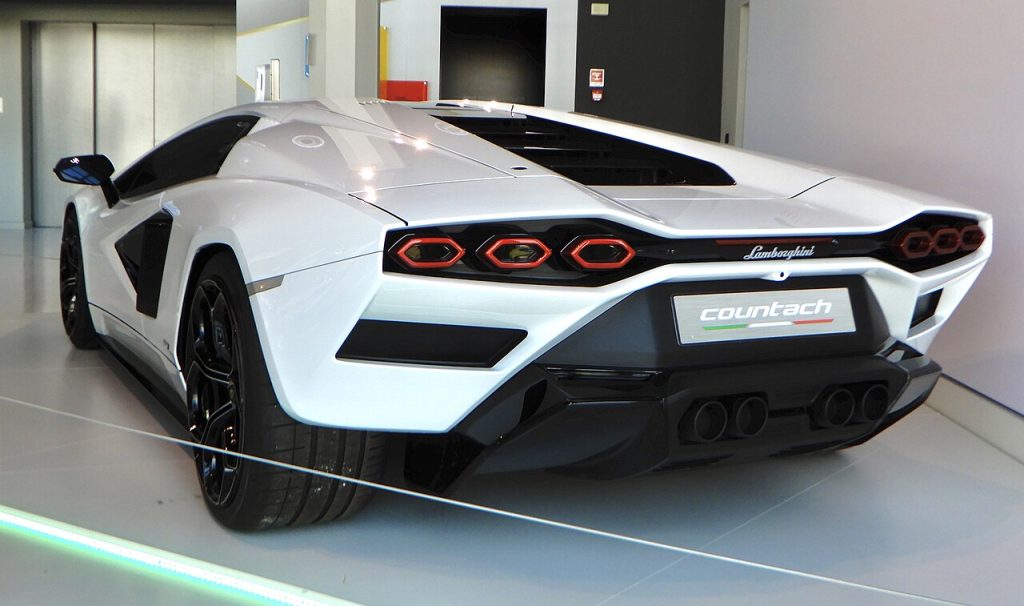
Engine: Naturally aspirated V12, ranging from 3.9 to 5.2 liters across original production versions
The Countach turned the supercar into a cultural phenomenon. Its wedge-shaped body and scissor doors looked almost impossibly futuristic, while successive versions became increasingly powerful and theatrical. The early LP400 offers the cleanest expression of the design; the later Quattrovalvole adds even more engine character.
Why it belongs: It defined the bedroom-poster supercar for generations.
5. Ferrari Enzo
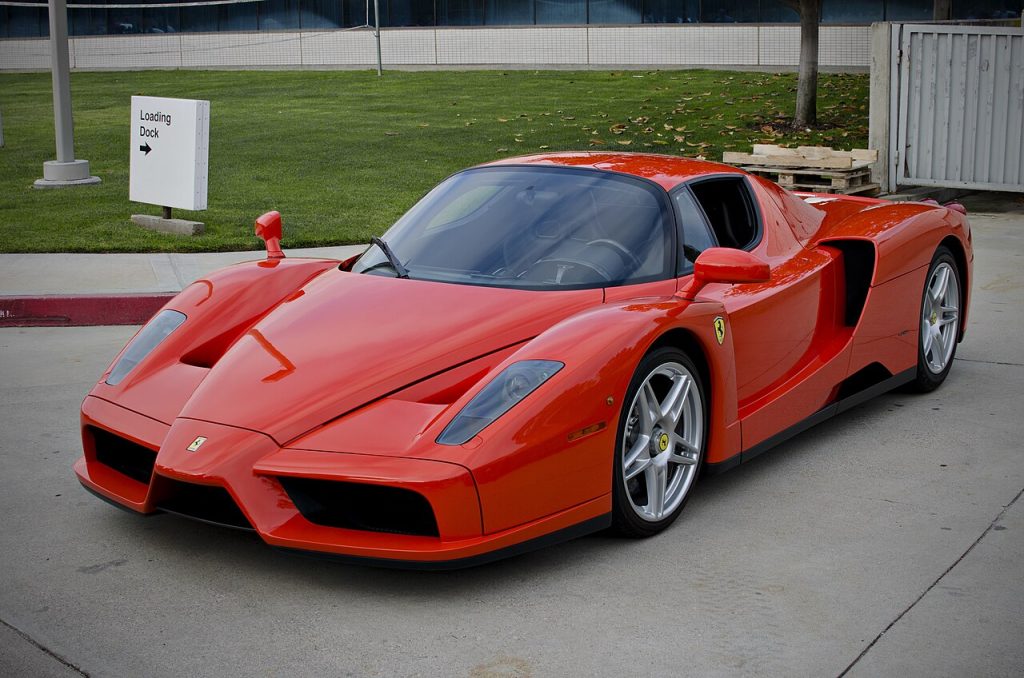
Engine: 6.0-liter naturally aspirated V12
Named after Ferrari’s founder, the Enzo used a carbon-fiber chassis, a paddle-shift transmission, and sophisticated aerodynamic development to move the company’s flagship formula forward. Its design was purposeful and uncompromising, with the V12 providing the emotional centerpiece.
Why it belongs: It marks a pivotal transition from traditional supercars toward modern, electronically managed hypercars.
6. Pagani Zonda Cinque
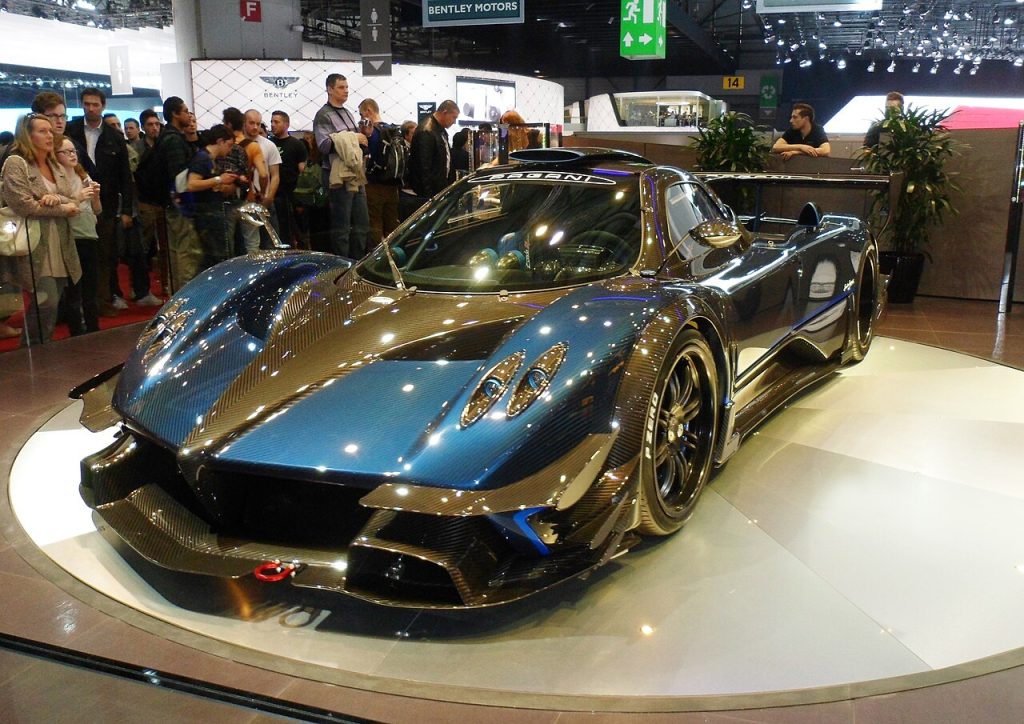
Engine: 7.3-liter naturally aspirated Mercedes-AMG V12
The Zonda Cinque distilled Pagani’s original supercar into an exceptionally exclusive road-going machine. Its enormous AMG V12, intricate construction, and spectacular exhaust note made it as memorable for its craftsmanship as for its performance. Just five coupes were built, followed by five roadsters.
Why it belongs: It combines one of the great V12 soundtracks with extraordinary attention to detail.
7. Lamborghini Diablo GT
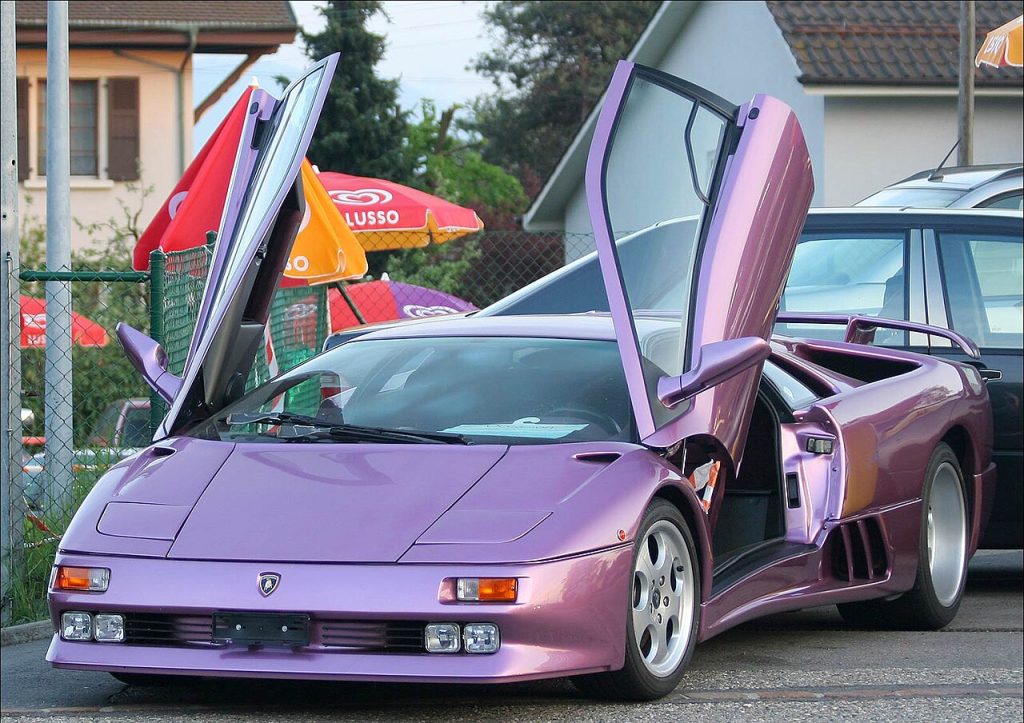
Engine: 6.0-liter naturally aspirated V12
The Diablo GT took Lamborghini’s already outrageous flagship in a more focused direction. With rear-wheel drive, a five-speed manual gearbox, extensive carbon-fiber bodywork, and a larger engine, it delivered a particularly intense interpretation of the Diablo formula.
Why it belongs: It captures the raw, demanding character that made older Lamborghini flagships so compelling.
8. Lamborghini Murciélago LP 670-4 SuperVeloce
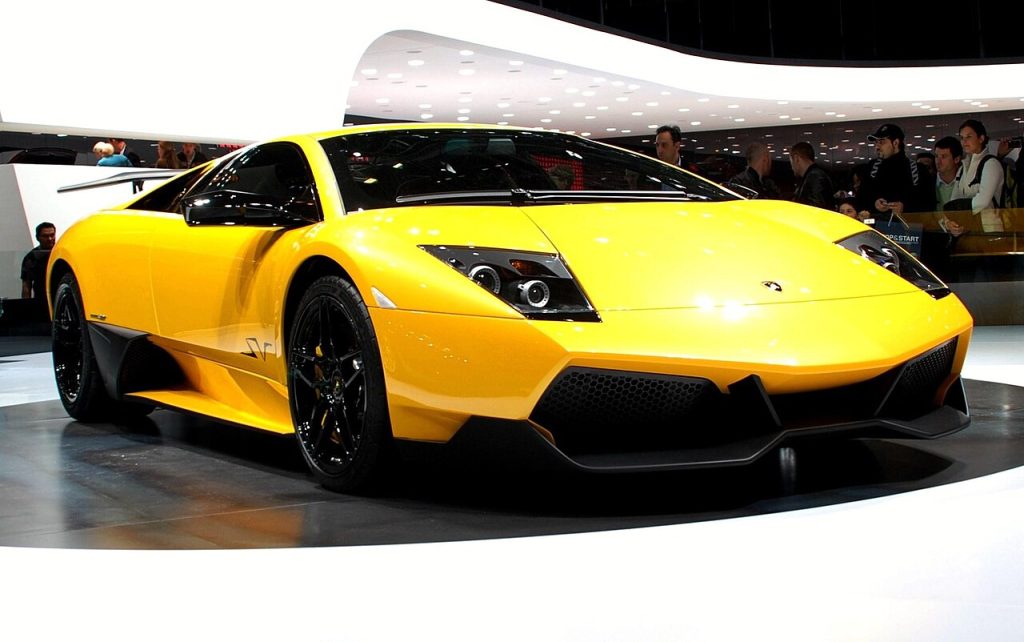
Engine: 6.5-liter naturally aspirated V12
The Murciélago SuperVeloce gave Lamborghini’s long-serving V12 engine family a spectacular farewell. Reduced weight, more power, and aggressive aerodynamics sharpened the standard car without losing its unmistakable presence or thunderous voice.
Why it belongs: It is one of the most dramatic expressions of Lamborghini’s original V12 lineage.
9. Ferrari LaFerrari
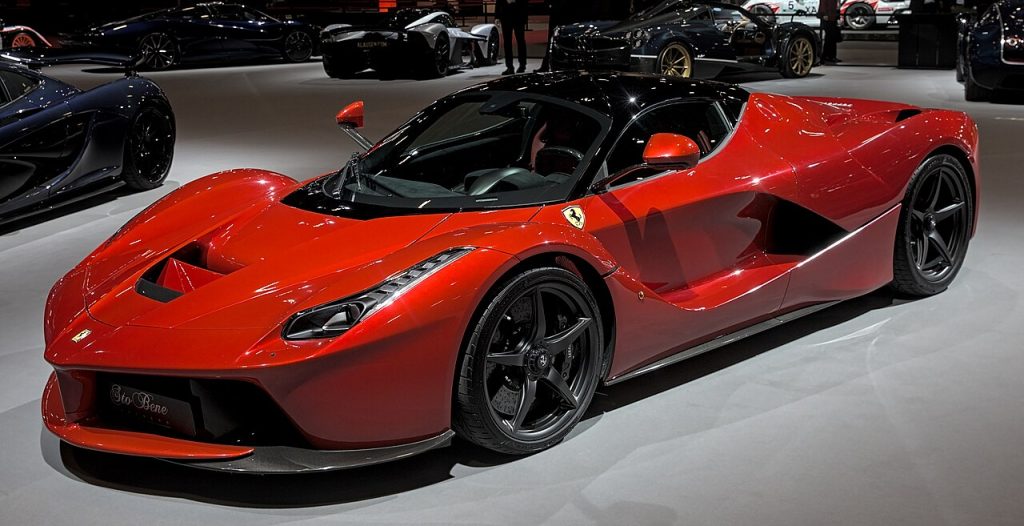
Engine: 6.3-liter naturally aspirated V12 with electric assistance
LaFerrari demonstrated that hybrid technology could heighten a flagship Ferrari’s performance while preserving the appeal of a high-revving V12. Its electric motor complemented the combustion engine, producing explosive responses within an exceptionally advanced chassis.
Why it belongs: It successfully carried the V12 supercar into the hybrid era.
10. Pagani Huayra BC
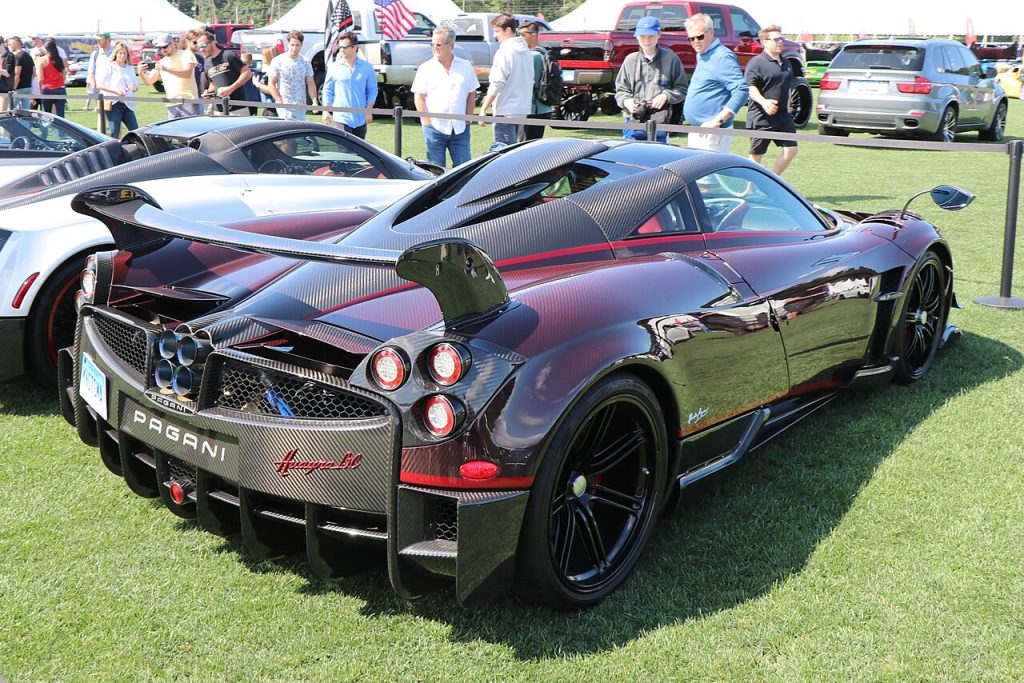
Engine: 6.0-liter twin-turbocharged Mercedes-AMG V12
The Huayra BC brought a harder-edged character to Pagani’s second model line. Its lighter construction, revised chassis, and more aggressive aerodynamics complemented the immense torque of its twin-turbo V12. The exposed mechanisms and elaborate cabin remained unmistakably Pagani.
Why it belongs: It shows that a turbocharged V12 can deliver exceptional drama alongside immense performance.
The overall pick: McLaren F1. For its engineering originality, driver-centered layout, and remarkable breadth of achievement, it remains the most convincing choice for the greatest V12 supercar ever built.