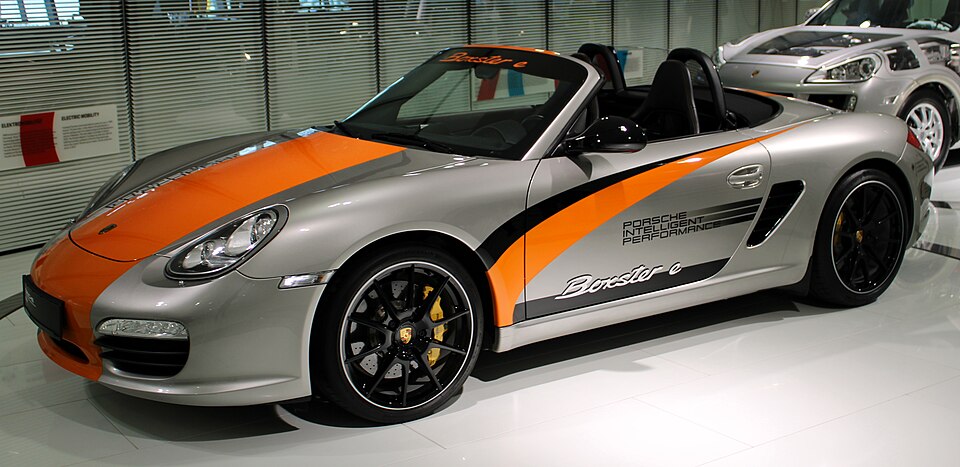
Sports cars turn driving into an experience. With responsive steering, engaging handling, and performance-focused engineering, they offer something that everyday transportation rarely prioritizes: a strong connection between the driver, the car, and the road.
But choosing a sports car involves more than comparing horsepower or acceleration figures. A lightweight roadster can feel more exciting on a winding road than a much more powerful coupe. A refined grand tourer may suit long-distance travel better than a track-focused machine. And the fastest car on paper is not always the most enjoyable car to own.
This guide explains what defines a sports car, how different designs influence performance, which models illustrate the major categories, and what to consider before buying.
What Is a Sports Car?
A sports car is a vehicle designed primarily to deliver engaging driving dynamics. Its defining qualities usually include responsive steering, effective braking, controlled body movement, and a chassis that helps the driver feel what the tires are doing.
Many sports cars have two doors, a low seating position, and rear-wheel drive. However, those features are not universal requirements. Some use all-wheel drive, some have small rear seats, and others combine sporty handling with substantial comfort.
Common sports car characteristics include:
- A performance-focused chassis: Suspension and structural design emphasize handling and stability.
- Responsive controls: Steering, throttle, and brakes provide precise, predictable responses.
- A relatively low center of gravity: This helps limit weight transfer and body roll during cornering.
- Strong braking capability: Brakes are designed to manage the vehicle’s speed and intended use.
- Driver-centered ergonomics: Seat position, visibility, and control placement support confident driving.
Horsepower alone does not make a vehicle a sports car. Weight, balance, grip, and feedback all influence the result.
Sports Cars vs. Supercars, Muscle Cars, and Grand Tourers
These terms overlap, but they describe different priorities.
| Category | Main priority | Typical characteristics | Representative examples |
|---|---|---|---|
| Sports car | Driver engagement and balanced performance | Responsive handling, focused chassis, relatively compact dimensions | Mazda MX-5 Miata, Toyota GR86, Porsche 718 Cayman |
| Supercar | Exceptional performance and advanced engineering | High power, specialized construction, distinctive styling | Ferrari 296 GTB, McLaren 750S |
| Muscle car | Powerful acceleration and a strong engine character | Often front-engine, rear-wheel drive, and relatively large engines | Ford Mustang GT, classic Chevrolet Camaro models |
| Grand tourer | Fast, comfortable long-distance travel | Refined cabin, strong performance, useful luggage capacity | Aston Martin DB12, Bentley Continental GT |
These examples illustrate the categories rather than establish a ranking. A particular model’s character can also change substantially between trims and generations.
Sports Cars vs. Supercars
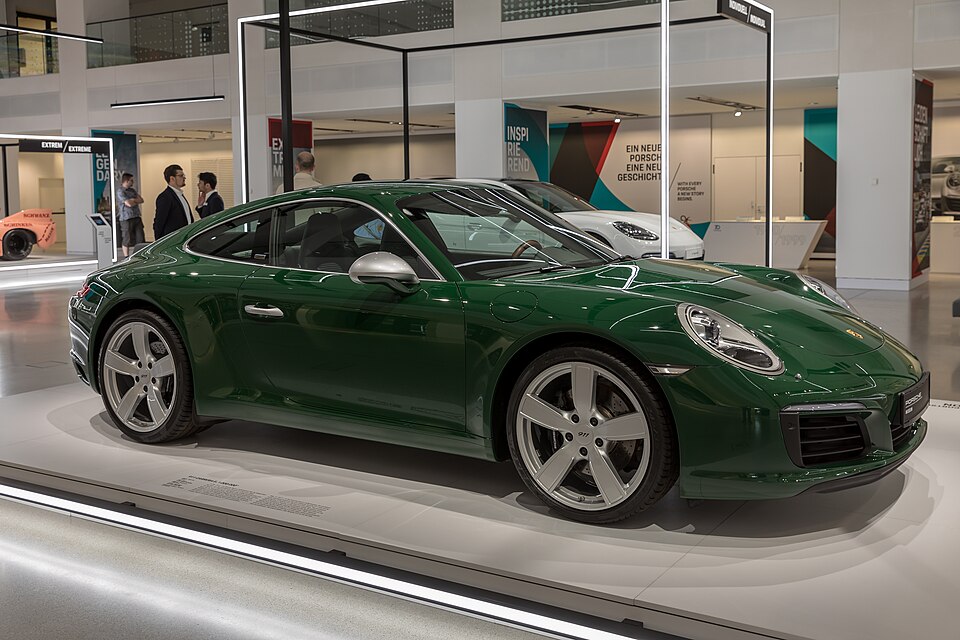
Supercars generally push performance, materials, and engineering further than mainstream sports cars. They often offer extraordinary acceleration and higher-speed capability, along with greater purchase and maintenance costs.
However, a supercar is not automatically more enjoyable in everyday driving. A smaller, less powerful sports car may provide more opportunities to explore its responses at ordinary road speeds.
Sports Cars vs. Muscle Cars

Muscle cars traditionally emphasize engine power, torque, and straight-line performance. Sports cars place greater emphasis on balanced handling and driver feedback.
Modern performance cars often blur this distinction. A carefully developed muscle car can be highly capable on a circuit, while some sports cars deliver enormous straight-line acceleration.
Sports Cars vs. Grand Tourers
Grand tourers combine speed with comfort. They are designed to cover long distances without demanding the compromises of a more narrowly focused sports car.
If your ideal drive includes hours on the highway, luggage for a weekend, and a quiet cabin, a grand tourer may fit your needs particularly well.
Main Types of Sports Cars
Sports cars can be grouped by body style, price, performance level, and intended use. These categories help narrow the search, although one vehicle may fit more than one.
1. Lightweight Sports Cars
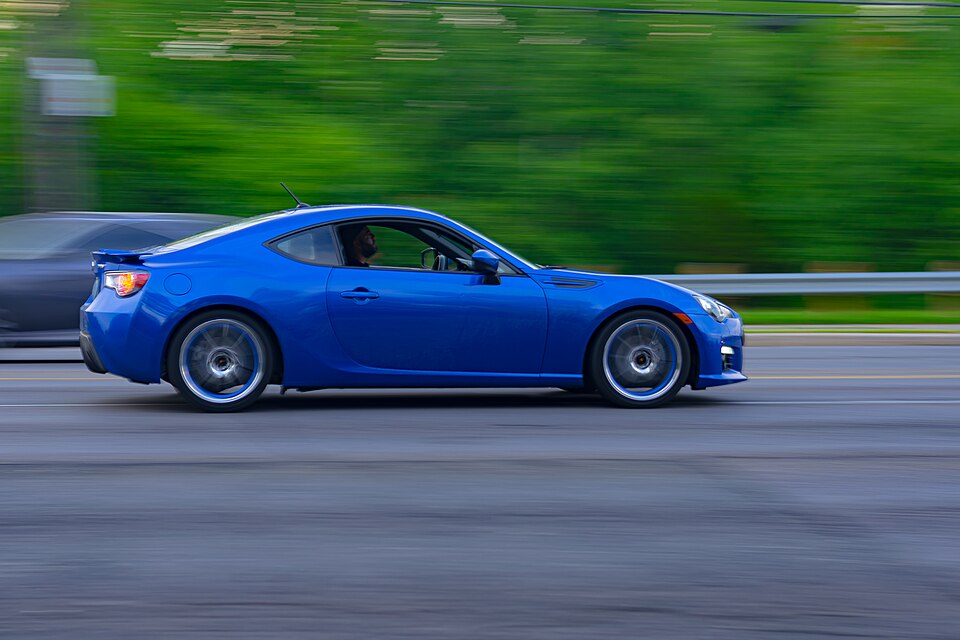
Lightweight sports cars prioritize low mass and chassis balance over maximum engine output.
Less weight can improve responsiveness, reduce the energy that brakes must absorb, and make changes of direction feel more immediate. Actual stopping distances still depend heavily on tires, road conditions, and braking-system performance.
Representative models include the Mazda MX-5 Miata, Toyota GR86, and Subaru BRZ.
Best suited to: Drivers who value cornering feel, accessible performance, and involvement.
2. Sports Coupes
A sports coupe typically has a fixed roof and two doors. Some offer two seats, while others use a 2+2 layout with small rear seats.
Compared with an equivalent convertible, a coupe often benefits from greater structural rigidity, although the difference depends on the vehicle’s design.
Examples include the Porsche 911, Toyota GR Supra, and Nissan Z.
Best suited to: Drivers seeking a blend of performance, style, and everyday usability.
3. Roadsters and Convertibles
Open-top sports cars add another dimension to the driving experience. With the roof lowered, engine sound, airflow, and the surrounding environment become more noticeable.
A roadster traditionally has two seats, while “convertible” describes a broader range of open-top vehicles.
Examples include the Mazda MX-5 Miata and Porsche Boxster.
Best suited to: Drivers who prioritize open-air enjoyment and recreational driving.
4. Luxury Sports Cars
Luxury sports cars combine performance with premium materials, sophisticated equipment, and greater refinement.
They can make daily use and longer journeys more comfortable, but additional equipment may add weight and complexity.
The Porsche 911 and Mercedes-AMG GT illustrate different approaches to this category.
Best suited to: Buyers who want strong performance alongside comfort and an upscale cabin.
5. Track-Focused Sports Cars
Track-focused models prioritize sustained performance during demanding driving. They may include upgraded cooling, aerodynamic features, firmer suspension, specialized tires, and more supportive seats.
Examples include certain Porsche GT models and circuit-oriented versions of other established sports cars.
These changes can improve track capability while making ordinary road use less comfortable.
Best suited to: Drivers who regularly attend track days and understand the associated maintenance demands.
What Determines Sports Car Performance?
Understanding sports car performance requires looking beyond a single specification.
Horsepower and Torque
Horsepower describes the rate at which an engine or motor can do work. Torque describes rotational force.
Both matter, but neither tells the full story. Vehicle weight, gearing, available traction, and the shape of the power delivery influence how a car accelerates and feels.
A high-output engine may produce spectacular speed. A more modest engine in a lighter car can still deliver engaging performance and sharper responses.
Power-to-Weight Ratio
Power-to-weight ratio helps explain why a lightweight sports car can compete with a more powerful but heavier vehicle.
For meaningful comparisons, use the same units and a consistent definition of vehicle weight. Also remember that the ratio does not account for traction, aerodynamic drag, transmission behavior, or engine response.
Tires and Grip
Tires connect every performance system to the road. They influence acceleration, braking, steering feel, and cornering ability.
Summer performance tires, all-season tires, and track-oriented tires serve different purposes. A tire designed for warm, dry conditions may perform poorly in cold weather, while a highly specialized track tire may be unsuitable for everyday use.
Choose tires for the conditions in which you actually drive.
Suspension and Chassis Balance
Suspension controls wheel movement and helps keep the tires in contact with the road.
A good sports car suspension balances body control with compliance. Excessive stiffness can make a car uncomfortable and reduce its ability to maintain grip over uneven surfaces.
Adaptive dampers can broaden a vehicle’s range, but careful tuning matters more than the presence of a particular feature.
Braking Performance
Brakes must provide effective stopping power and predictable control. During repeated hard use, they also need to manage heat.
For occasional road driving, a well-designed conventional braking system may be entirely suitable. Frequent track use places much greater demands on pads, fluid, cooling, and other components.
Large brake discs or expensive materials do not, by themselves, guarantee shorter stopping distances.
Aerodynamics
Aerodynamics affect drag, stability, cooling, and downforce.
Downforce can increase tire loading at speed, helping a car maintain grip. However, aerodynamic benefits depend on the design and generally become more significant as speed increases.
A visible wing is not proof of an effective aerodynamic package.
Engine Layouts and Drivetrains Explained
Where the engine sits—and which wheels receive power—changes how a sports car behaves.
Front-Engine Sports Cars
The engine sits ahead of the passenger compartment. This layout often provides familiar handling characteristics and allows more flexibility for cabin and luggage space.
Examples include the Toyota GR86, Nissan Z, and many Ford Mustang versions.
Mid-Engine Sports Cars
The engine sits between the front and rear axles, usually behind the occupants.
This arrangement can centralize mass and support quick responses to steering inputs. However, handling behavior depends on the entire vehicle, and transitions near the grip limit can require careful control.
Examples include the Porsche 718 Cayman and the eighth-generation Chevrolet Corvette.
Rear-Engine Sports Cars
The engine sits behind the rear axle.
The Porsche 911 is the best-known example. Its layout places substantial weight over the driven wheels, helping traction during acceleration. Suspension development, tires, and electronic systems shape how each generation manages that distinctive weight distribution.
Rear-Wheel Drive vs. All-Wheel Drive
Rear-wheel drive is common in sports cars because it separates the primary steering and driving duties between the axles.
All-wheel drive can improve traction when accelerating, particularly in challenging conditions. It can also add weight and mechanical complexity.
Neither layout guarantees superior handling. Tires, tuning, road conditions, and driver inputs all matter. All-wheel drive also does not automatically improve braking on slippery surfaces.
Manual vs. Automatic Sports Cars
Transmission choice affects both performance and driver involvement.
Manual Transmissions
A manual gearbox gives the driver direct control over gear selection and clutch operation. Many enthusiasts enjoy the coordination involved in shifting smoothly.
Its appeal is largely experiential. A manual car may accelerate more slowly than a comparable model with a fast automatic transmission, yet feel more engaging to its owner.
Automatic and Dual-Clutch Transmissions
Modern automatic and dual-clutch transmissions can shift quickly and reduce the effort required in traffic.
Some are particularly effective for performance driving because they allow rapid gear changes while helping the driver keep attention on braking and steering.
For daily commuting, an automatic may offer the better balance. For a buyer who enjoys shifting as part of the experience, a manual may remain a priority.
Notable Sports Car Models to Understand
The following models illustrate different approaches to sports car design. They are not a current availability list: specifications, pricing, and market availability vary by generation and country.
Mazda MX-5 Miata
The MX-5 is a reference point for lightweight, open-top driving. Its appeal comes from balanced responses, manageable performance, and a compact footprint.
Why consider it: You want an engaging roadster and can accept limited passenger and cargo space.
Toyota GR86 and Subaru BRZ
These closely related coupes combine rear-wheel drive with a relatively lightweight platform. Their focus on handling makes them useful examples of accessible, driver-oriented sports cars.
Why consider them: You want a fixed roof, balanced handling, and some flexibility from small rear seats.
Porsche 718 Cayman and Boxster
The Cayman coupe and Boxster roadster demonstrate the appeal of a mid-engine layout. Different versions offer different levels of performance and refinement.
Why consider them: You value steering precision, chassis balance, and a focused driving position.
Porsche 911
The 911 combines a distinctive rear-engine layout with a broad range of performance characters. Depending on the version, it can emphasize everyday usability, touring comfort, or circuit performance.
Why consider it: You want a versatile sports car and have the budget for its purchase and upkeep.
Chevrolet Corvette
The Corvette spans decades of changing design. Its eighth generation adopted a mid-engine layout, creating a substantially different driving package from earlier front-engine versions.
Why consider it: You want strong performance and should compare generations carefully because their characteristics differ.
Toyota GR Supra
The GR Supra illustrates the modern front-engine sports coupe, combining strong performance with a compact, driver-focused cabin.
Why consider it: You want a two-seat coupe with an emphasis on acceleration and handling.
Nissan Z
The Nissan Z continues a long-running sports car lineage built around a front-engine, rear-wheel-drive layout.
Why consider it: You appreciate a traditional two-seat sports coupe and want to compare its character with other cars in the class.
Ford Mustang
The Mustang combines muscle-car heritage with a wide range of performance configurations. Its larger dimensions and rear seats may suit buyers who want more flexibility than a small two-seat sports car provides.
Why consider it: You want distinctive engine character and a broad choice of trims and generations.
How to Choose the Best Sports Car for You
The best sports car is the one that fits your driving habits, budget, and priorities.
Define Your Main Use
Start by identifying how you will use the car most often:
- Daily commuting: Prioritize comfort, visibility, parking ease, and running costs.
- Weekend driving: Focus on steering feel, engine character, and overall enjoyment.
- Long-distance travel: Consider cabin refinement, seat comfort, and luggage space.
- Track days: Evaluate cooling, consumable costs, safety requirements, and durability.
A car that excels at one purpose may involve compromises elsewhere.
Set a Total Ownership Budget
Purchase price is only part of the cost. Include insurance, fuel or electricity, maintenance, tires, brakes, registration, and depreciation.
Request insurance quotes for the exact vehicle you are considering. Check its tire sizes and service requirements before deciding that it fits your budget.
Test-Drive for Feel, Not Just Speed
Pay attention to seat comfort, steering response, pedal placement, visibility, low-speed behavior, and ride quality.
Try the car on the kinds of roads you use regularly. A short drive on a smooth route may hide compromises that become obvious during commuting.
Check Everyday Practicality
Consider garage clearance, driveway angles, cargo space, cabin access, and your local climate.
A low sports car can create practical difficulties even when its performance is ideal. Confirm that these compromises are acceptable before buying.
Buying a Used Sports Car
Used sports cars can offer appealing value, but condition matters more than an attractive specification sheet.
Look for documented maintenance, inspect for accident repairs, and investigate modifications. Track use does not automatically make a car unsuitable, but it increases the importance of understanding how it was maintained.
Arrange an independent pre-purchase inspection with a specialist familiar with the model. The inspection should assess relevant mechanical systems, structural condition, wear items, and diagnostic information.
Be especially cautious when a seller cannot explain modifications or provide a clear service history.
Frequently Asked Questions About Sports Cars
What makes a car a sports car?
A sports car prioritizes driving dynamics through its chassis, controls, and performance engineering. Responsive handling and driver engagement are more important to the definition than a specific horsepower figure.
What are some affordable sports cars?
Models commonly considered in accessible sports car searches include the Mazda MX-5 Miata, Toyota GR86, and Subaru BRZ. Used options can broaden the selection, but affordability depends on local prices, condition, insurance, and maintenance costs.
Can a sports car be a daily driver?
Yes. Many sports cars are suitable for daily use if their seating, ride quality, cargo capacity, and running costs fit your needs. A focused two-seat roadster will require different compromises from a larger coupe or grand tourer.
Are sports cars expensive to maintain?
Costs vary substantially. Specialized tires, larger brakes, complex powertrains, and limited parts availability can increase expenses. Research the exact model and generation rather than relying on the category alone.
Is rear-wheel drive better for a sports car?
Rear-wheel drive offers characteristics many enthusiasts enjoy, but it is not universally better. All-wheel drive can improve acceleration traction, while the overall design and tire choice determine much of the driving experience.
Should I buy a manual or automatic sports car?
Choose a manual if shifting is central to your enjoyment. Choose an automatic if convenience, rapid shifts, or frequent traffic matter more. A test drive in both versions can clarify the decision.
Are electric vehicles considered sports cars?
They can be. Electric propulsion does not prevent a vehicle from being a sports car. The important questions are whether its chassis, braking, steering, weight management, and overall responses deliver an engaging driving experience.
Finding Your Ideal Sports Car
The most rewarding sports cars bring their components together into a coherent experience. Power matters, but so do steering feel, tire grip, brake control, seating position, and the way the chassis responds to the road.
Begin with your intended use and total budget, then compare vehicles that fit those requirements. Drive the strongest candidates, investigate their ownership demands, and choose the car whose character you will enjoy regularly.