Luxury has always been about more than getting from one place to another. In the automotive world, it has traditionally meant exceptional craftsmanship, effortless performance, distinctive design, and the reassurance of owning something carefully engineered.
As we look toward 2027, those qualities remain relevant, but the definition of a luxury vehicle is expanding. Buyers increasingly expect their cars to fit naturally into their digital lives, make journeys less tiring, and deliver a more personalized experience. Electric powertrains, intelligent software, and new approaches to interior design are creating opportunities to meet those expectations.
The future will not arrive uniformly. Infrastructure, regulation, pricing, and consumer preferences will influence which technologies become widely available and which remain limited to particular markets or models. The developments explored below are a forward-looking perspective on what could shape luxury driving in 2027, rather than a promise that every premium vehicle will offer them.
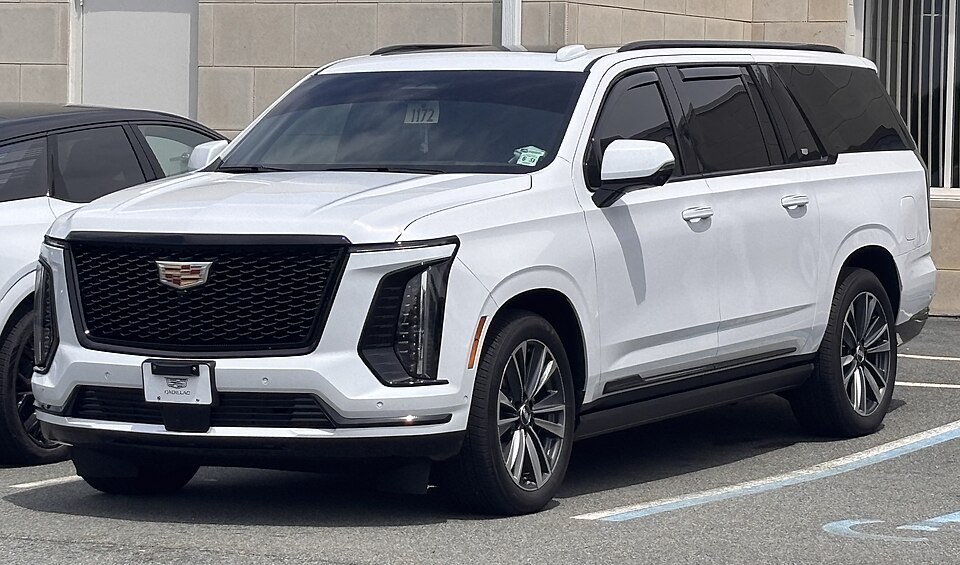
A 2026 Cadillac illustrates the design and craftsmanship of contemporary automotive luxury, providing context for the article’s outlook on driving in 2027.
1. Electric Power Will Reshape the Meaning of Refinement
Electric propulsion brings qualities that align closely with traditional automotive luxury. Quiet operation, minimal vibration, and smooth acceleration can make a vehicle feel composed in everyday driving.
While rapid acceleration attracts attention, refinement may prove more important over time. A luxury electric vehicle should deliver power progressively, maintain a comfortable ride, and help occupants arrive relaxed after a long journey.
Beyond acceleration and range
For buyers comparing electric luxury vehicles in 2027, the ownership experience could matter as much as headline specifications. Important considerations will include:
- Real-world range: How far the vehicle travels at highway speeds, in cold weather, or with passengers and luggage.
- Charging consistency: How reliably it charges across different stations and conditions.
- Route planning: Whether navigation accounts for charging availability, battery condition, and the journey ahead.
- Ride quality: How well the suspension manages road imperfections and the vehicle’s weight.
- Cabin quietness: How effectively the interior limits wind, tire, and road noise.
Charging speed also requires context. A peak charging figure does not describe an entire charging session. Battery temperature, the starting charge level, and station performance all influence how long a stop takes.
For luxury brands, the opportunity is to make these details easy to understand and manage. A well-integrated electric experience should reduce the planning burden on the owner.
Different powertrains for different needs
Electric vehicles will not necessarily suit every luxury buyer equally. Drivers with convenient home charging may find them particularly appealing, while those who regularly travel through areas with limited infrastructure may prioritize other options.
Depending on the market and model, hybrids, plug-in hybrids, and combustion-powered vehicles may continue to serve those needs. The defining luxury characteristic will be how well the vehicle supports its owner’s lifestyle.
2. Artificial Intelligence Could Make the Car More Attentive
Personalization is already familiar in premium vehicles through saved seat positions, climate preferences, and driver profiles. By 2027, AI-based interfaces could extend that idea to more natural interactions and context-aware assistance.
A driver might ask the car to find a quiet restaurant along a route, explain a vehicle setting, or adjust several comfort functions through a single request. Where supported, the system could use relevant information—such as navigation context or an authorized calendar connection—to make its suggestions more useful.
Useful assistance without unnecessary complexity
The value of an intelligent assistant will depend on execution. A system that understands ordinary language and completes routine tasks accurately can make a vehicle easier to use. One that frequently misinterprets requests can quickly become frustrating.
For a premium experience, several qualities will matter:
- Clear responses that are easy to understand while driving.
- Predictable behavior when changing vehicle settings.
- Straightforward ways to correct or cancel a request.
- Sensible alternatives when connectivity is unavailable.
- Minimal distraction during interactions.
Physical controls will still have a role. Familiar buttons and switches can provide quick access to frequently used functions, especially when a driver needs to act without looking away from the road.
Privacy becomes part of premium service
Personalization may involve sensitive information, including location history, voice interactions, and connected account data. Luxury brands will need to make those choices understandable.
Owners should be able to see what information is collected, control optional features, and remove personal data before transferring a vehicle. Shared vehicles also need clear separation between user profiles.
A car that feels attentive should also give its owner confidence about how that attention works.
3. The Interior Will Become a More Carefully Designed Personal Space
The cabin is where owners experience most of a vehicle’s value. Beautiful materials matter, but so do the less visible details: seat support, temperature control, sound insulation, visibility, and the effort required to operate everyday functions.
By 2027, luxury interiors could place greater emphasis on comfort throughout an entire journey, rather than on the impact of a showroom display.
Comfort that supports longer journeys
Seat design will remain central. Broad adjustment options, well-positioned support, and effective heating or ventilation can influence comfort more than a dramatic dashboard.
Other areas likely to receive attention include:
- Acoustic comfort: Reducing intrusive noise without creating distracting artificial sounds.
- Climate control: Maintaining comfortable conditions for individual occupants.
- Air filtration: Helping limit particles entering the cabin.
- Lighting: Supporting visibility and atmosphere without glare.
- Storage and charging: Giving everyday items practical, accessible places.
Wellness features should be assessed on their actual function. A massage seat or a quieter interior may make a journey more pleasant, but broad health claims require stronger evidence.
A more selective use of screens
Large displays can support navigation, entertainment, and personalization. Their usefulness depends on legibility, responsiveness, and menu design.
An effective luxury interior will balance digital flexibility with simple operation. Drivers should be able to find essential controls quickly, and passengers should have access to entertainment without distracting the person behind the wheel.
The strongest designs will make technology feel integrated into the cabin rather than competing for attention.
4. Advanced Driver Assistance Will Be Judged by Trust
Driver assistance could become an increasingly important part of the luxury experience, particularly for highway travel, congestion, and parking. Depending on the system, these features may help manage speed, maintain lane position, or assist with specific maneuvers.
However, driver assistance and autonomous driving are not interchangeable. Many systems require continuous driver supervision, even when they control steering and acceleration. More automated functions may operate only under defined conditions and where regulations permit.
Clear limits matter as much as capability
For buyers in 2027, the relevant question will be what a system can do safely and reliably in the places they drive.
That means understanding:
- Which roads and conditions the system supports.
- Whether the driver must continuously supervise it.
- How it communicates its operating status.
- When it requests intervention.
- What happens when a required condition is no longer met.
A premium system should communicate these details clearly. Owners should not have to interpret ambiguous graphics or marketing language to understand their responsibilities.
Smoothness will help define quality
Luxury driving places a premium on composure. Assistance systems should accelerate and brake smoothly, maintain sensible spacing, and avoid unnecessary corrections.
Even a technically capable feature can feel uncomfortable if its behavior is abrupt or difficult to predict. Consistency will be essential to building trust and encouraging appropriate use.
5. Sustainable Materials Will Need to Deliver Lasting Quality
Luxury craftsmanship is evolving as manufacturers explore recycled textiles, alternative upholstery, responsibly sourced wood, and other material options.
These developments could broaden the aesthetic language of premium interiors. A distinctive fabric or carefully finished alternative material can offer its own appeal rather than simply imitating a traditional surface.
Durability is part of the sustainability story
A material’s environmental credentials cannot be judged solely by its name or origin. Manufacturing processes, transport, maintenance, useful life, and end-of-life treatment all affect its overall impact.
For an owner, practical questions remain important:
- Does the surface resist everyday wear?
- Is it comfortable in hot and cold conditions?
- Can it be cleaned without specialized treatment?
- Can damaged sections be repaired or replaced?
- Will its appearance remain attractive over time?
A premium material should feel convincing on the first day and continue to perform after years of use.
Looking beyond the cabin
The environmental impact of a vehicle extends beyond upholstery and trim. Battery production, energy sources, vehicle efficiency, repairability, and recycling all contribute to the larger picture.
Credible sustainability claims should explain their scope. Clear information about a particular material or manufacturing improvement is more useful than a broad claim that leaves the basis of comparison uncertain.
6. Software Support Will Become Part of Long-Term Value
Modern luxury vehicles increasingly depend on software for navigation, connectivity, charging functions, and infotainment. As a result, ownership quality will depend partly on how those systems perform over time.
Remote updates can improve supported features and address certain issues, but their possibilities are limited by the vehicle’s hardware and design. An update cannot guarantee that an older car will gain every capability introduced in a newer model.
Owners need clear expectations
Before purchasing, buyers may want to understand:
- How long connected services and software support are expected to continue.
- Which functions are included with the vehicle.
- Which services require a subscription.
- Whether core features remain available without a paid account.
- How updates are installed and what happens if an update encounters a problem.
These details can influence long-term satisfaction and resale appeal.
Reliability is a luxury feature
Fast displays and polished graphics create a strong initial impression. Stable everyday performance creates lasting confidence.
Navigation should remain useful, profiles should load correctly, and essential controls should work consistently. When problems occur, owners need effective support from both the vehicle’s digital systems and the service network.
By 2027, software dependability could become as important to brand reputation as traditional mechanical refinement.
7. Exclusive Ownership Services Will Carry Greater Weight
A luxury car is part of a wider ownership relationship. Delivery, maintenance, roadside assistance, charging support, and access to replacement transport all influence how convenient that relationship feels.
Premium brands may increasingly distinguish themselves through services that reduce the owner’s time and effort.
Convenience across the ownership journey
Depending on the brand and market, useful services could include:
- Vehicle collection and return for maintenance.
- Clear digital appointment scheduling.
- Access to suitable replacement vehicles.
- Help arranging home charging installation.
- Assistance understanding connected features.
- A consistent point of contact for ownership questions.
The value of these services depends on availability and execution. A service that is advertised broadly but difficult to access offers little reassurance.
Transparency supports exclusivity
Premium ownership should come with clear terms. Buyers need to know what is included, what costs extra, and whether benefits transfer to a subsequent owner.
Responsive service and straightforward communication can build a stronger relationship than a long list of vaguely defined privileges.
8. Design Will Balance Distinctiveness, Efficiency, and Usability
Luxury vehicles must satisfy several goals at once. They need a recognizable identity, an attractive appearance, efficient packaging, and practical everyday operation.
Electric platforms can give designers different proportions and layout possibilities. At the same time, battery placement, aerodynamic requirements, safety engineering, and manufacturing constraints shape what is possible.
Purposeful exterior design
Aerodynamic efficiency can help reduce energy consumption and wind noise. Yet luxury buyers also value presence and individuality.
Successful designs will reconcile those priorities through carefully developed proportions, surfaces, lighting, and details. A recognizable design does not need to rely on excessive ornamentation.
Everyday details still matter
The usefulness of a luxury vehicle often becomes apparent in ordinary moments: entering a tight parking space, loading luggage, adjusting a mirror, or finding a control at night.
Door handles, luggage openings, rear visibility, and access to charging ports deserve the same attention as signature lighting or interior trim. Thoughtful solutions can make a vehicle feel special every day.
9. What Luxury Buyers Should Consider in 2027
Choosing a luxury vehicle will involve more than comparing performance figures and equipment lists. Buyers should consider how the car fits their travel patterns and how its features will function throughout ownership.
A thorough evaluation should include:
| Area | Key question |
|---|---|
| Powertrain | Does it suit your daily mileage, longer trips, and charging access? |
| Comfort | Are the seats, ride, and cabin noise comfortable on representative roads? |
| Interface | Can you operate common functions quickly and confidently? |
| Driver assistance | Are its capabilities and supervision requirements clear? |
| Connected services | Which features require connectivity or ongoing payment? |
| Materials | Do the finishes feel durable and suit your maintenance preferences? |
| Support | Is qualified service convenient, and are ownership benefits clearly defined? |
| Long-term value | What are the warranty terms, expected running costs, and support commitments? |
An extended test drive can reveal more than a brief demonstration. Testing the vehicle on familiar roads and trying everyday tasks will help buyers judge whether its technology and comfort meet their expectations.
Conclusion: Luxury Will Be Defined by a Better Daily Experience
The future of luxury driving in 2027 could bring quieter powertrains, more capable digital assistants, thoughtfully designed interiors, and increasingly comprehensive ownership services.
The most compelling vehicles will connect those elements into a coherent experience. Performance will still matter, as will craftsmanship and distinctive design. Their value will grow when accompanied by intuitive controls, reliable support, and comfort that lasts beyond the first impression.
For drivers, the central promise of automotive luxury remains familiar: making each journey feel easier, calmer, and more rewarding. New technology will earn its place by delivering on that promise.