Who Really Sells the Most Cars in 2026?
Every year, one question dominates search results and car-enthusiast forums alike: which car is the best seller on the planet? In 2026 the answer is more interesting than usual, because the market is being pulled in several directions at once. Electric vehicles keep growing, hybrids refuse to fade, crossovers keep swallowing sedans, and pickups remain the backbone of the North American market. Meanwhile, overall demand has been uneven, with global sales softening in the first months of the year while the United States held up better than most regions.
In this guide we break down the best-selling cars of 2026 using the most recent figures published by industry trackers and automotive media. We look at the models that keep appearing at the top of the charts, explain why they win, compare what happens in the global market with what happens in individual countries, and finish with practical advice for anyone deciding what to buy next.
One honest warning before we start: there is no single, universally agreed-upon ranking. Different trackers count different periods, different regions, and sometimes different vehicle categories. That is why you will see one headline crowning the Toyota Corolla and another crowning the Toyota RAV4. Both can be correct, depending on what is being measured. We will explain exactly how to read those differences below, so you can use this article as a reliable reference rather than a list of slogans.
Key Takeaways
- The Toyota Corolla returned to the top of the global rankings in early-2026 data, with roughly 154,440 units in January and February, a rise of 6.5% and about a 1.3% share of global sales.
- The Toyota RAV4 leads the global SUV conversation in mid-2026 reports, with about a 2.5% share of the SUV market, ahead of the Tesla Model Y at 2.4% and the Honda CR-V at 1.8%.
- SUVs dominate: six of the ten best-selling vehicles in the world are SUVs, and the segment accounts for roughly 45% of all registrations worldwide.
- Hybrids are winning the middle ground: buyers want better fuel economy without depending on charging infrastructure.
- Pickups still matter: the Chevrolet Silverado remains in the global top ten, growing about 2.9%.
- Regional winners differ sharply: Latin American charts look very different from the global list, led by pickups and compact cars.
How to Read Car Sales Rankings (and Why They Disagree)
Before comparing models, it helps to understand why published rankings sometimes contradict each other. Anyone writing about car sales, including us, should be transparent about these limits.
1. The time window changes everything
A ranking built on January and February reflects a very different market from one built on the first half of the year. Seasonal effects, model launches, supply interruptions and fleet deliveries can move a model several places in a matter of weeks. The Corolla’s headline figure, for example, comes from a two-month window, while other reports cover longer periods.
2. Segment versus overall rankings
When a report says the RAV4 leads, it may be talking about leadership inside the SUV segment, not the entire passenger-vehicle market. A vehicle can be the number one SUV and still rank below a compact sedan in total units. Always check whether a headline refers to “all vehicles” or “all SUVs.”
3. Registrations versus sales
Some sources count dealer deliveries, others count government registrations. In countries where registration data is public and fast, such as Argentina, rankings are built on registrations (called “patentamientos”). In other markets, trackers rely on manufacturer reports. The two methods rarely match to the unit.
4. Model-year naming and generations
When a new generation launches, some trackers merge old and new versions into a single nameplate while others split them. A big-selling model can appear to rise or fall simply because of how it is counted.
5. Regional coverage
Global rankings blend China, Europe, the Americas, India and other markets. China alone has an enormous influence on the totals, and many Chinese bestsellers are barely known outside their home market. That is why a car that dominates your local roads may not appear in the global top ten at all.
With that context in mind, let us meet the models that keep appearing at the top.
The Global Leaders of 2026
Toyota Corolla: The Most Reliable Number One
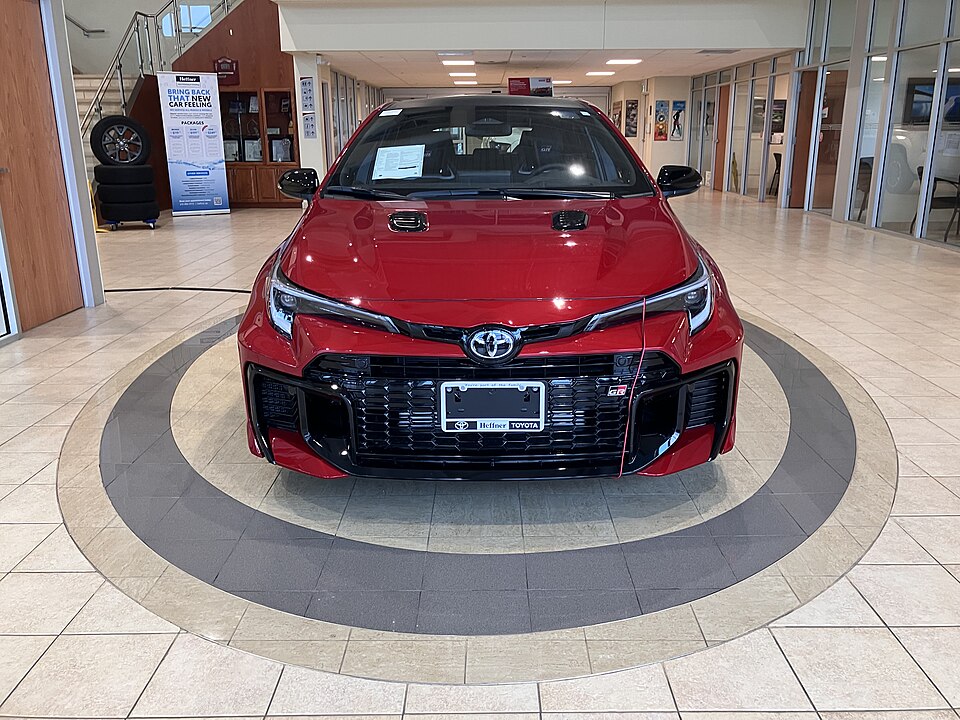
The Corolla is the most consistent name in automotive history, and 2026 reinforces that reputation. Early-year figures put it back in the top spot worldwide, with about 154,440 units sold across January and February, growth of 6.5% and roughly a 1.3% slice of global sales.
Those numbers may look small as a percentage, but they illustrate how fragmented the modern car market is. In a world with hundreds of competing models, a single nameplate capturing more than one in every hundred sales is a remarkable achievement.
Why the Corolla keeps winning:
- Reputation for durability. Buyers in dozens of countries trust it to run for years with minimal fuss, and that confidence keeps resale values strong.
- Global availability. It is sold in sedan, hatchback and hybrid forms across a huge range of markets, which means it never depends on a single region.
- Hybrid options. Toyota’s experience with hybrid systems gives the Corolla an efficiency advantage that many rivals still struggle to match.
- Predictable ownership costs. Parts are widely available, mechanics know the car, and insurance is generally affordable.
The Corolla’s strength also reveals something about the market that SUV headlines can hide: the humble, affordable, dependable compact car is not dead. It remains the safest choice for millions of drivers.
Toyota RAV4: The King of the SUV Segment
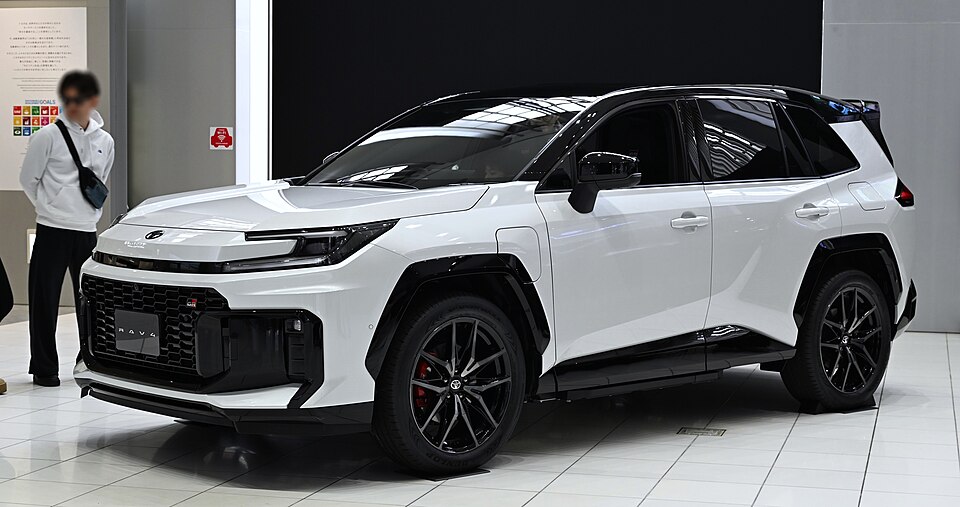
If the Corolla is the global everyman, the RAV4 is its taller sibling. In mid-2026 reporting, the RAV4 is described as the leader of global sales within the SUV segment, with about a 2.5% market share. That puts it narrowly ahead of the Tesla Model Y at 2.4% and the Honda CR-V at 1.8%.
The narrow gap between the first two is worth noticing. It shows how competitive the top of the SUV world has become, and how close a combustion-hybrid crossover and a pure electric one can be in popularity.
What makes the RAV4 so successful:
- A conventional hybrid system. Many buyers like cutting fuel consumption without changing their habits or installing a home charger.
- Long range per tank. Reports highlight a driving range of roughly 800 kilometers, a major advantage for road trips and for countries with sparse charging networks.
- Practical size. It offers family space and cargo room without the bulk of a three-row SUV.
- Strong brand trust. Like the Corolla, it benefits from Toyota’s reliability image.
For readers of worldmotorcars.info who follow how the SUV boom reshaped car history, the RAV4 is a textbook example: a car that started as a niche “lifestyle” vehicle and became one of the most important products on the planet.
Tesla Model Y: The Electric Contender
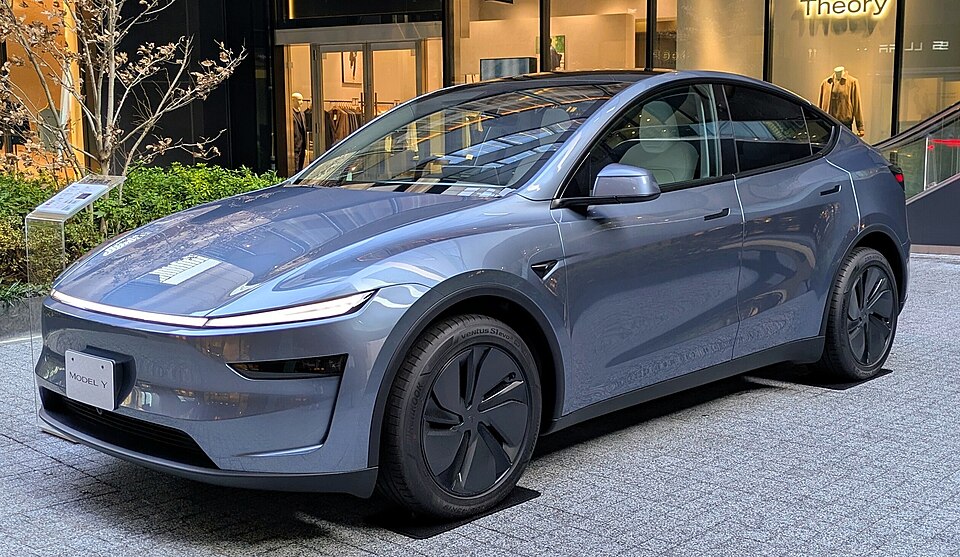
The Model Y is the electric vehicle that most clearly proves that EVs can compete with traditional bestsellers. With about a 2.4% share in the SUV ranking cited above, it sits in the very top tier of the segment, just behind the RAV4.
Two things stand out. First, the Model Y competes directly with mainstream hybrid crossovers rather than with other EVs, which is a sign that electric cars have moved beyond early-adopter territory. Second, its position next to a hybrid at the top suggests that the market is not choosing one technology; it is splitting between two.
Strengths:
- A strong charging ecosystem and software experience that many rivals are still trying to replicate.
- A product range built around a small number of models, which simplifies production and keeps costs under control.
- Brand visibility that few manufacturers can match.
Challenges:
- Price sensitivity in markets where incentives have been reduced.
- Growing competition from Chinese brands that offer capable electric crossovers at lower prices.
- Charging availability, which still varies greatly from country to country.
Honda CR-V: The Quiet Heavyweight
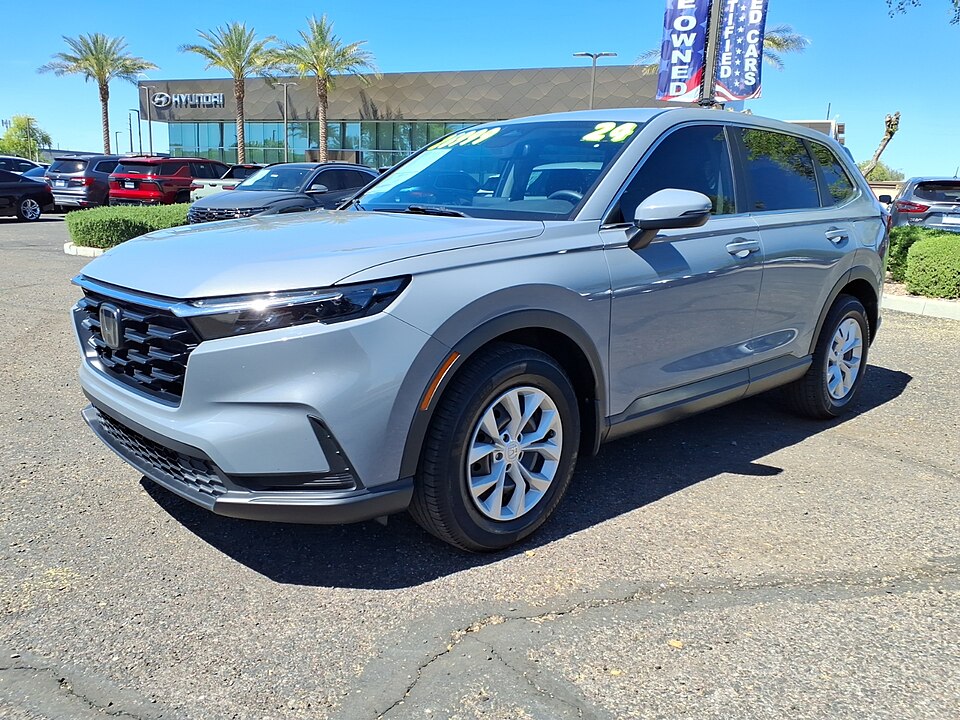
The CR-V takes the third spot in the SUV comparison with about a 1.8% share. It rarely generates dramatic headlines, but it appears consistently in global top-ten lists, which tells you everything about its character: comfortable, spacious, efficient and easy to live with.
Its success also shows how loyal the compact-SUV buyer can be. Many CR-V owners replace their car with another CR-V, and that repeat-purchase behavior creates a stable sales base even when flashier rivals launch.
Volkswagen Tiguan, Hyundai Tucson and Kia Sportage: The Strong Challengers
Three other crossovers keep appearing in the top-ten discussion: the Volkswagen Tiguan, the Hyundai Tucson and the Kia Sportage. Each represents a slightly different approach.
- Volkswagen Tiguan: a premium-feeling compact SUV with strong appeal in Europe and other international markets.
- Hyundai Tucson: bold design and a wide range of powertrains, including hybrids, which helps it sell in many regions.
- Kia Sportage: a close relative of the Tucson, offering a similar mix of style, technology and value, often with generous warranty coverage.
Their presence in the global top ten confirms that the compact crossover is the most important battleground in the industry. Whoever wins this segment, wins the market.
Chevrolet Silverado: The Pickup That Crashes the Party
The Silverado’s appearance in the global top ten, with growth of about 2.9%, is a reminder that the United States is still a pickup country. While most of the world buys compact cars and crossovers, American buyers keep making full-size trucks some of the most profitable vehicles on the road.
It also shows that American consumers are looking for efficiency without necessarily depending on charging infrastructure. Pickup buyers value towing, payload and range, and those priorities have not changed as electrification advances.
Why SUVs Dominate the 2026 Market
Six of the ten best-selling vehicles in the world are SUVs, and the segment represents roughly 45% of all registrations worldwide. Why did a body style that was once considered a niche become the default choice?
1. Seating position and visibility. Drivers consistently say they feel safer higher up. Whether or not that is entirely true, perception drives purchases.
2. Space without a giant footprint. Compact crossovers deliver rear-seat room and cargo capacity close to those of larger vehicles, while still fitting in a normal parking space.
3. Easy entry and exit. For aging populations and for families with children, the higher seat height makes daily life simpler.
4. Manufacturer incentives. Carmakers earn higher margins on SUVs than on small cars, so they invest heavily in marketing them and in expanding their range.
5. Versatility. One car can serve as a commuter, a family vehicle and a weekend adventure machine. In a world where many households own only one vehicle, that flexibility is a decisive advantage.
The result is a self-reinforcing cycle: the more SUVs people buy, the more manufacturers develop, and the less variety is left among sedans and hatchbacks.
Hybrid vs. Electric vs. Gasoline: What Buyers Are Choosing
The 2026 sales picture is not a clean victory for any single powertrain. Instead, it shows three kinds of buyers.
The pragmatist: hybrids
The RAV4 and the Corolla hybrid prove the appeal of cars that save fuel without requiring any change in routine. For many households, a hybrid is the logical middle step: lower fuel bills, no range anxiety and no need for a wall charger.
The committed: electric vehicles
The Model Y proves that a pure EV can sit at the top of the sales charts. But EV success depends on charging access, electricity prices and government incentives, which change from market to market.
The traditionalist: combustion
Pickups like the Silverado and many entry-level cars in developing markets still rely on conventional engines. In regions where fuel is affordable and charging is scarce, combustion remains the default.
The strongest lesson for 2026 is that the market rewards choice. The brands that offer buyers all three options in the same model family are the ones best positioned for whatever happens next.
Regional Snapshots: How Local Markets Differ From the Global List
A global ranking can hide dramatic local differences. Here is how a few markets look in 2026.
Argentina: Pickups, Imports and Chinese Brands
Argentina offers a vivid example of how local conditions reshape a ranking. In the first half of the year, the Toyota Hilux topped the list with about 15,549 units, and Toyota overtook Volkswagen for the first time as the manufacturer that sold the most cars in the country so far this year. Even though imports have surged, accounting for about 69% of new vehicles sold in a recent month, seven of the ten best-selling models are still built in Argentina.
Another important development is the rise of Chinese brands, which represent around 7.6% of the market according to registration data. Among them, the BYD Dolphin Mini became the best-selling electric car in April with 457 units, more than 60% of that segment. Meanwhile, the overall market has been under pressure: new-car registrations fell more than 19% year-over-year in August, with the year-to-date decline at around 13%.
In the used-car market for October, the Volkswagen Gol led with 8,632 units, followed by the Toyota Hilux with 6,192, and used-car sales fell 2.6% compared with the same month a year earlier.
Mexico: Compact Cars Rule
Mexico’s best-sellers lean toward affordable sedans and hatchbacks. The list includes models such as the Nissan Versa and the Hyundai Grand i10, which shows how price sensitivity shapes buying behavior. The contrast with the SUV-heavy global list is a reminder that affordability still decides millions of purchases.
Ecuador: Electrification Moves Faster Than Expected
Reports from Ecuador say that one in every four new vehicles sold is already a hybrid or an electric car. That is a remarkable figure for a developing market, and it suggests that electrification may spread through Latin America faster than many analysts predicted, especially where governments reduce taxes on cleaner vehicles.
United States: Stability and Trucks
While global sales slipped in the first four months of 2026, the United States showed steadier behavior, with important shifts between brands and vehicle types. Pickups such as the Silverado continue to anchor the market, while hybrids gain share as consumers look for efficiency without full electrification.
What Makes a Car a Bestseller? Seven Factors That Keep Repeating
Looking at every model above, a pattern emerges. Bestsellers are rarely the fastest, the most luxurious or the most technologically daring cars. They are the ones that get the fundamentals right.
- Reliability. A car that does not break down earns recommendations that last for decades.
- Fair pricing. Not necessarily cheap, but clearly worth the money.
- Efficiency. Fuel costs matter, and hybrids deliver savings that buyers can feel.
- Global scale. Producing a model in several regions lowers costs and avoids dependence on one market.
- Resale value. People buy cars they know they can sell later.
- Dealer and service networks. A car with widespread service coverage reduces the fear of ownership problems.
- Timing. The right body style, the right powertrain and the right price at the right moment.
This is why enthusiast cars, however beautiful, almost never reach the sales charts. A supercar may inspire millions, but a Corolla actually gets bought by millions.
Buying Guide: Which 2026 Bestseller Fits You?
Choose the Toyota Corolla if you want low running costs, proven reliability and a car that will hold its value, and you do not need a high seating position.
Choose the Toyota RAV4 if you want a family-friendly crossover with excellent fuel economy and long range, without relying on public charging.
Choose the Tesla Model Y if you have access to home or reliable public charging, enjoy technology-forward cars and want to go fully electric.
Choose the Honda CR-V if comfort, space and long-term practicality matter more to you than headline-grabbing features.
Choose the Hyundai Tucson or Kia Sportage if you want modern styling, plenty of features and strong warranty coverage at a competitive price.
Choose the Volkswagen Tiguan if you prefer a more European driving feel and a refined interior.
Choose the Chevrolet Silverado if you need towing capability and cargo capacity, and you live in a market where full-size trucks make sense.
What Comes Next: Trends to Watch in the Rest of 2026 and Beyond
More hybrids, in more body styles. Expect manufacturers to extend hybrid systems to nearly every model in their range, because buyers clearly reward them.
Chinese brands expanding worldwide. Argentina’s market is already showing how quickly Chinese manufacturers can win share when they offer competitive electric and hybrid models.
Pressure on prices. With sales soft in several regions, manufacturers may rely on incentives and discounts to attract buyers.
EV growth tied to infrastructure. Electric sales will keep expanding where charging is available and affordable, and stall where it is not.
The slow decline of the traditional sedan. The Corolla is the exception that proves the rule: most sedans are being replaced by crossovers.
Frequently Asked Questions
What is the best-selling car in the world in 2026?
It depends on the source and the period measured. Early-2026 data places the Toyota Corolla first overall, with about 154,440 units in January and February. Mid-year reports describe the Toyota RAV4 as the leader of the SUV segment, with a 2.5% share.
Is the Tesla Model Y the best-selling electric car in 2026?
It is among the top performers, with a share of around 2.4% in the SUV ranking cited by recent reports, but the exact order among electric vehicles depends on the region and the period examined.
Are SUVs really replacing sedans?
In most markets, yes. Six of the ten best-selling vehicles in the world are SUVs, and the segment represents about 45% of global registrations. The Corolla is the main sedan still competing at the very top.
Why are hybrids so popular right now?
They offer lower fuel consumption without the need for charging infrastructure, which makes them an easy choice for drivers in many different markets.
Are global car sales rising or falling in 2026?
Reports indicate that worldwide sales fell during the first four months of the year, while the United States remained comparatively stable. Local markets vary widely, and some, such as Argentina, have seen sharp declines in new-car registrations.
Which pickup trucks sell the most?
In the United States, the Chevrolet Silverado appears in the global top ten. In Argentina, the Toyota Hilux leads the market in the first half of the year.
Why do rankings differ between websites?
Because they measure different periods, regions, vehicle categories and data types such as sales or registrations. Always check the methodology before comparing two lists.
Final Thoughts
The best-selling cars of 2026 tell a clear story. The world still buys dependable, efficient and practical vehicles above all else. The Corolla proves that a simple compact car can remain on top for decades. The RAV4 shows how a hybrid crossover can become the most popular product in an entire segment. The Model Y demonstrates that electric cars can compete head-to-head with the biggest names. And the CR-V, Tiguan, Tucson, Sportage and Silverado fill out a picture of a market that rewards substance over spectacle.
For drivers, the message is simple: the best-selling car is not always the best car for you, but its popularity is a strong signal that millions of people found it reliable, affordable and easy to live with. Use the numbers in this guide as a starting point, check the latest data before you buy, and choose the car that fits your daily life.
Data note: figures in this article come from industry reports and automotive media published through the first half of 2026, plus later regional updates. Rankings change monthly, so we update this guide as new data becomes available.